
Branding Mistakes to Avoid This Year (According to Experts)

Branding Mistakes to Avoid This Year (According to Experts) In today’s competitive digital landscape, branding is more than a logo—it’s the entire perception of your business. A single mistake can dilute your brand’s value, confuse your audience, or cause you to fall behind in a saturated market. As a digital agency specializing in branding, marketing, and web development, we’ve seen what works—and what doesn’t. To help you stay ahead, we’ve compiled a list of the top branding mistakes to avoid in 2025, according to industry experts. 1. Inconsistent Brand Identity Your brand identity should be clear, consistent, and instantly recognizable across all platforms—social media, websites, email marketing, and offline materials. Inconsistency in fonts, color palettes, or tone of voice sends mixed signals and weakens trust. Expert Insight: “Brands that don’t invest in cohesive identity systems often fail to connect emotionally with their audience,” says Ana Cruz, a senior brand strategist. Avoid this mistake by: Creating detailed brand guidelines and training your team to follow them religiously. 2. Neglecting Your Target Audience Branding that speaks to everyone ends up speaking to no one. One of the biggest mistakes businesses make is not tailoring their messaging to a specific audience. Avoid this mistake by: Conducting customer research and building data-driven buyer personas to ensure your branding speaks directly to the right audience. 3. Chasing Trends Over Strategy Jumping on every new trend—fonts, memes, color schemes—without aligning them with your core brand strategy can dilute your brand’s credibility. What’s trendy today might be outdated tomorrow. Expert Insight: “Trends should complement your brand’s mission, not define it,” says branding expert Josh Lennox. Avoid this mistake by: Establishing a brand mission and values that drive every creative decision. 4. Poor Website Branding Your website is your digital storefront, and often the first impression. A slow, outdated, or poorly branded website can kill conversions. Avoid this mistake by: Investing in professional web design and development that reflects your brand visually and functionally. Make sure your site is mobile-optimized, fast, and user-friendly. 5. Underestimating the Power of Storytelling Facts tell, but stories sell. Brands that fail to tell a compelling story often struggle to create emotional connections. Expert Insight: “Brand storytelling transforms products into experiences,” notes Maria Jensen, CMO at a leading digital agency. Avoid this mistake by: Crafting a brand story that includes your mission, journey, and the value you provide. 6. Ignoring Brand Voice on Social Media Using inconsistent or unprofessional tone on social media can confuse your followers and hurt engagement. Avoid this mistake by: Developing a consistent brand voice that aligns with your audience’s expectations—whether it’s playful, professional, or bold. 7. Forgetting to Evolve Brands that don’t evolve with the times get left behind. This doesn’t mean rebranding every year, but it does mean adjusting your strategy based on data and changing audience needs. Avoid this mistake by: Reviewing your brand performance regularly and updating your assets, messaging, and strategy as needed. Final Thoughts Branding is an ongoing process—not a one-and-done project. Whether you’re a startup or a seasoned business, avoiding these common branding mistakes can make the difference between obscurity and lasting impact. Looking for expert help? At our digital marketing and branding agency, we specialize in helping businesses craft powerful, authentic, and scalable brand identities. Ready to level up your brand?Let’s build something extraordinary together.
Instagram, TikTok, LinkedIn: What’s Really Working for Brands in 2025

Instagram, TikTok, LinkedIn: What’s Really Working for Brands in 2025 In the ever-evolving landscape of social media, 2025 has brought dynamic shifts to how brands engage, advertise, and grow online. Instagram, TikTok, and LinkedIn have emerged as essential platforms for businesses aiming to strengthen their presence and drive results.If you’re looking to refine your strategy, understanding the latest social media marketing trends 2025 is crucial. Let’s dive into what’s really working—and what you need to know. Instagram: Authentic Storytelling and Micro-Influencers Reign Supreme Instagram continues to be a powerhouse, but the focus in 2025 is crystal clear: authenticity over perfection. Key trends: Micro and nano-influencers are outperforming mega-celebrities. Brands see higher engagement and ROI when partnering with influencers who have loyal, niche audiences. Instagram Stories and Reels dominate user engagement. Brands creating quick, behind-the-scenes content outperform those relying solely on curated feed posts. Shoppable posts and AI-driven product recommendations within Instagram Shopping are seeing a major boom. Pro tip:Focus on building real connections. Feature user-generated content, behind-the-scenes videos, and authentic testimonials to boost trust and loyalty. Relevant Keywords:Instagram marketing trends 2025, influencer marketing Instagram, Instagram Reels strategy TikTok: Entertainment, Education, and Edutainment TikTok has matured—and so has its audience. In 2025, it’s not just Gen Z. Millennials and even Gen X are now active users. What’s working: Educational content (“edutainment”) is booming. Brands sharing bite-sized tips, tutorials, and industry insights get high visibility. User challenges and UGC campaigns remain highly effective. Community involvement helps brands appear relatable and fun. TikTok SEO (keyword optimization in captions and videos) is crucial for discoverability on the platform. Pro tip:Think “show, don’t tell.” Demonstrate your product’s benefits, create quick how-tos, and engage with trending sounds and hashtags that align with your brand. Relevant Keywords:TikTok marketing strategies 2025, TikTok SEO, TikTok for business LinkedIn: Thought Leadership and Employee Advocacy LinkedIn isn’t just for job seekers anymore—it’s a content goldmine for brands in 2025. Key strategies: Thought leadership content (whitepapers, industry insights, expert tips) dominates organic reach. Employee advocacy programs help humanize brands. Companies that encourage employees to share content see a 2-3x higher engagement rate. Video posts and LinkedIn Newsletters continue gaining traction, with video seeing 5x more engagement than text-only posts. Pro tip:Invest in personal branding for your team. Support executives and employees in becoming micro-influencers in your industry. Relevant Keywords:LinkedIn marketing for brands, LinkedIn content strategy 2025, employee advocacy LinkedIn 2025’s Universal Social Media Best Practices No matter the platform, these principles hold true: AI-powered analytics and personalization are key to targeting the right audience. Sustainability and social responsibility messaging are more important than ever to connect with value-driven consumers. Community engagement beats pure broadcasting. Conversation > Monologue. Final Thoughts If you want to succeed with social media marketing trends 2025, your brand must stay agile, authentic, and deeply connected to your audience’s evolving expectations.Instagram, TikTok, and LinkedIn each offer powerful, unique opportunities—but the brands that will thrive are those that adapt strategies tailored to each platform’s strengths. Ready to level up your social media marketing game?Stay ahead by embracing these trends today!
AI Tools for Marketers and Designers in 2025: Which Ones Are Worth It?

AI Tools for Marketers and Designers in 2025: Which Ones Are Worth It? The world of marketing and design is undergoing a radical transformation, thanks to the rise of AI tools. As we step into 2025, artificial intelligence is no longer a futuristic concept — it’s an integral part of the digital toolkit for marketers and designers alike. These tools are streamlining workflows, improving creativity, and driving efficiencies that were once unimaginable. But with so many options available, it can be overwhelming to decide which AI tools are truly worth investing in. In this post, we’ll dive into the most popular and effective AI tools for marketers and designers in 2025 and highlight the ones that offer the best value for your business. 1. AI Tools for Content Creation and Marketing In 2025, content creation continues to be a key pillar of any digital marketing strategy. AI-powered tools are making it easier than ever to produce high-quality content at scale, while also enhancing the creativity behind each piece. Best AI Tools for Content Marketing: ChatGPT (OpenAI): This language model is ideal for generating blog posts, product descriptions, email campaigns, and even social media content. With ChatGPT, marketers can produce large amounts of engaging content quickly while maintaining a conversational tone. Copy.ai: Copy.ai is another excellent tool for marketers who need to generate copy fast. Whether it’s for ad campaigns, landing pages, or email sequences, this AI tool can help streamline the writing process by creating compelling text in seconds. Jasper.ai: Known for its ability to help marketers with blog writing, website copy, and social media posts, Jasper.ai uses AI to generate SEO-friendly content that resonates with audiences. Why They’re Worth It: AI tools like ChatGPT, Copy.ai, and Jasper.ai save time and enhance productivity by automating repetitive tasks. They also help marketers maintain consistency across multiple platforms, ensuring that content adheres to brand tone and style. SEO Keywords: AI tools for content marketing 2025, content generation AI, AI content creation tools 2. AI for Design and Creative Workflows Designers are also benefiting from AI advancements, particularly in the areas of design automation and image generation. Whether you’re working on logos, social media graphics, or entire brand identities, AI tools are designed to improve efficiency and unleash creativity. Best AI Tools for Designers: Canva’s AI Tools: Canva has evolved into an all-in-one design platform that now integrates AI to help with everything from design recommendations to automatic resizing of visuals for various social media platforms. It’s an ideal tool for designers looking to speed up the creation process. Fotor: Fotor’s AI-powered design tools can help you create professional-looking designs and photo edits with ease. It can generate high-quality visuals, automate image retouching, and suggest design styles based on the content provided. Runway ML: Runway is an AI-powered creative toolkit that offers features like automatic video editing, motion graphics creation, and image synthesis. It’s ideal for designers and creators looking for advanced AI features that help streamline creative workflows. Why They’re Worth It: AI tools for design like Canva, Fotor, and Runway ML are perfect for designers looking to increase productivity and creativity without the steep learning curve. These tools make it easy to implement professional design standards, even for beginners. SEO Keywords: AI tools for designers 2025, AI design software, creative AI tools for design 3. AI for Marketing Automation and Analytics AI isn’t just about content creation and design. In 2025, AI tools for marketing automation and analytics are becoming indispensable. These tools help marketers optimize their campaigns, target the right audiences, and analyze customer behavior in real-time. Best AI Tools for Marketing Automation: HubSpot: HubSpot continues to lead the way in marketing automation, offering AI-driven features for lead nurturing, personalized email campaigns, and detailed analytics. It can predict the best time to send emails, optimize ad campaigns, and provide insights into customer behavior. Mailchimp with AI: Mailchimp has incorporated AI to enhance its email marketing platform. From predicting the best subject lines to automating personalized emails, Mailchimp’s AI-powered features can improve the effectiveness of email campaigns and boost ROI. Google Analytics with AI: Google Analytics has integrated AI capabilities that help marketers predict user behavior, optimize ad spend, and make data-driven decisions. It provides actionable insights that can be used to improve marketing strategies and performance. Why They’re Worth It: These tools help marketers streamline workflows, improve customer targeting, and gain valuable insights into campaign performance. AI-powered marketing automation and analytics not only save time but also provide businesses with the data they need to make better decisions and optimize campaigns in real-time. SEO Keywords: marketing automation AI, AI analytics tools, AI-driven marketing platforms 4. AI Tools for Social Media Marketing Social media is another area where AI is making significant strides. In 2025, AI tools can help marketers schedule posts, track engagement, and even suggest content topics based on trending topics and audience preferences. Best AI Tools for Social Media Marketing: Hootsuite: Hootsuite now integrates AI to help marketers schedule and analyze social media posts more effectively. The AI tools predict the best times to post, recommend hashtags, and analyze engagement metrics to ensure the best possible reach. Lately.ai: Lately.ai uses AI to create and schedule social media posts by analyzing your brand’s past content and identifying patterns in what performs best. It’s ideal for marketers who want to maximize their social media strategy with minimal effort. Why They’re Worth It: Social media is a fast-paced environment where staying on top of trends and engagement is crucial. With AI-powered tools like Hootsuite and Lately.ai, marketers can automate their posting schedule, optimize content, and ensure they are consistently reaching their target audience. SEO Keywords: AI tools for social media, social media marketing AI, social media automation tools Final Thoughts: Embrace AI for 2025 Success The future of marketing and design is undeniably intertwined with AI. From content creation to design, marketing automation, and social media management, AI tools for marketers and designers are changing the way we work in
How to Prepare Your Brand for Summer 2025: Web, Marketing & Design Tips

How to Prepare Your Brand for Summer 2025: Web, Marketing & Design Tips As the days get longer and the temperatures rise, it’s time for brands to rethink their strategy for the summer season. Summer 2025 is just around the corner, and whether you’re in e-commerce, hospitality, or B2B, your online presence and marketing need to reflect the energy and trends of the season. At Kavo Digital, we specialize in creating impactful web designs, marketing campaigns, and branding strategies that help businesses shine year-round — especially during peak seasons like summer. Here’s how you can prepare your brand for summer 2025 with winning web, marketing, and design tips. 1. Refresh Your Website with a Summer Twist First impressions matter. Your website is often the first point of contact for potential customers — and a seasonal refresh can significantly improve engagement.Actionable Tips: Update hero images with bright, seasonal visuals (think beach scenes, vibrant colors, outdoor vibes). Implement summer promotions and time-sensitive banners. Optimize page speed and mobile responsiveness for users on-the-go. Consider adding interactive elements like countdown timers for summer sales or limited offers. SEO Keywords: website refresh summer 2025, seasonal web design, summer website tips 2. Launch a Summer-Themed Marketing Campaign A fresh marketing campaign can position your brand in the spotlight during the busy summer months.Actionable Tips: Create seasonal offers or “Summer Specials” to drive urgency. Launch a targeted email marketing sequence with summer content and discounts. Collaborate with influencers and content creators for authentic summer-themed promotions. Build a campaign landing page optimized for summer-related search terms. SEO Keywords: summer marketing ideas 2025, summer promotions, seasonal marketing campaigns 3. Update Your Branding for a Seasonal Vibe Your brand identity should be flexible enough to incorporate seasonal updates without losing its core message.Actionable Tips: Adjust your logo with temporary summer-themed variations (e.g., a sun or wave element). Incorporate a vibrant summer color palette into social media graphics and promotional materials. Update brand voice for summer — make it lighter, energetic, and fun. SEO Keywords: seasonal branding tips, summer branding ideas, brand identity summer update 4. Optimize for Summer Search Trends SEO is a dynamic game, and seasonality plays a massive role in consumer behavior.Actionable Tips: Research trending summer keywords in your industry and incorporate them into your content. Create blog posts and social media content around summer activities, events, and solutions. Optimize Google My Business listings with summer-specific offers or updates if you’re targeting local markets. SEO Keywords: summer SEO strategies, summer 2025 search trends, seasonal SEO tips 5. Go Big on Visual Content Summer is highly visual — people are drawn to colorful, bright, and playful imagery.Actionable Tips: Create short-form video content showcasing your products/services in summer settings. Host a summer photo contest on Instagram or TikTok to boost engagement. Use seasonal graphics, GIFs, and motion design elements across your digital platforms. SEO Keywords: summer content marketing, summer visual marketing, seasonal video ideas Final Thoughts Getting your brand ready for summer 2025 isn’t just about changing colors or offering discounts — it’s about capturing the spirit of the season and aligning your digital presence with your audience’s summer lifestyle. By refreshing your website, launching seasonal campaigns, updating your branding, optimizing for summer trends, and leveraging vibrant visuals, your brand can truly stand out and thrive. At Kavo Digital, we’re ready to help you shine this summer. Need a website refresh, a summer-ready marketing campaign, or a full branding upgrade? Let’s make it happen — contact us today!
Why Website Accessibility Matters in 2025 (And How to Make Your Site Inclusive)

Why Website Accessibility Matters in 2025 (And How to Make Your Site Inclusive) As 2025 unfolds, website accessibility is no longer optional—it’s essential for every modern business. It’s not just about meeting legal standards like ADA compliance, but about crafting inclusive, user-friendly experiences that serve everyone. By aligning your website with the Web Content Accessibility Guidelines (WCAG 2.1), you’ll open your brand to millions of users and improve everything from user experience to SEO. Here’s how to make it happen. What is Website Accessibility? Website accessibility means designing your site so it’s usable by everyone—including people with disabilities. This includes visitors who are visually impaired, hearing impaired, or who have motor or cognitive challenges. The globally recognized WCAG 2.1 guidelines are built around four principles—Perceivable, Operable, Understandable, and Robust (POUR)—to help you ensure accessibility for all. Why Website Accessibility Matters in 2025 1. Legal Compliance Reduces RiskLaws like the Americans with Disabilities Act (ADA) and the European Accessibility Act mandate accessible websites. Failing to comply can result in lawsuits, fines, and reputational damage. 2. Reach Over 1 Billion Potential UsersThere are more than 1 billion people worldwide living with disabilities. An accessible site welcomes this underserved audience, increasing traffic, engagement, and conversions. 3. Enhance User Experience (UX) for EveryoneAccessible websites are typically better designed for all users. Cleaner layouts, intuitive navigation, and faster load times reduce bounce rates and keep users engaged. 4. SEO Benefits from AccessibilitySearch engines reward websites that use proper semantic structure, alt text, heading tags, and clear navigation—all of which align with accessibility best practices. 5. Build a Future-Proof, Inclusive BrandIn 2025, consumers care about brand values. An accessible website positions you as inclusive, ethical, and forward-thinking—boosting loyalty and reputation. How to Achieve Website Accessibility in 2025 Use this as a step-by-step checklist to meet WCAG 2.1 and create a fully accessible, high-performing website: 1. Follow WCAG 2.1 Principles (POUR)Ensure your content is: Perceivable: Provide alt text, use sufficient color contrast, and structure headings properly. Operable: Enable full keyboard navigation and avoid content that triggers seizures. Understandable: Use clear language and predictable navigation. Robust: Ensure your site works on all browsers and assistive devices. 2. Add Descriptive Alt TextEvery image should include relevant alt text. This helps screen readers describe visuals and boosts image SEO. 3. Enable Full Keyboard AccessibilityMake sure all forms, buttons, menus, and pop-ups can be used via keyboard only—critical for users with motor impairments. 4. Use High Color ContrastTools like WebAIM’s Contrast Checker help you maintain AA or AAA compliance, improving readability for users with low vision. 5. Add Captions and TranscriptsVideo content should include captions and transcripts to accommodate hearing-impaired users and boost video SEO. 6. Conduct Regular Accessibility AuditsUse tools like Google Lighthouse, WAVE, or Axe to test your site and fix new issues over time. Accessibility isn’t a one-time fix—it’s ongoing. Final Thoughts: Build an Accessible Web, Reach More People, and Future-Proof Your Brand in 2025 The internet in 2025 must be for everyone—and website accessibility is your key to unlocking that future. From legal compliance to improved UX and SEO performance, accessible websites deliver both ethical value and competitive edge. By following WCAG 2.1 and prioritizing inclusivity, you’re not just checking a box—you’re opening your brand to over a billion potential users and signaling that your business cares. 💡 Start integrating accessibility best practices today—because inclusive, high-performing websites don’t happen by accident.💬 What accessibility feature will you implement first?📞 Need expert help making your website accessible and optimized?
7 High-Converting Landing Page Elements to Skyrocket Your Conversions
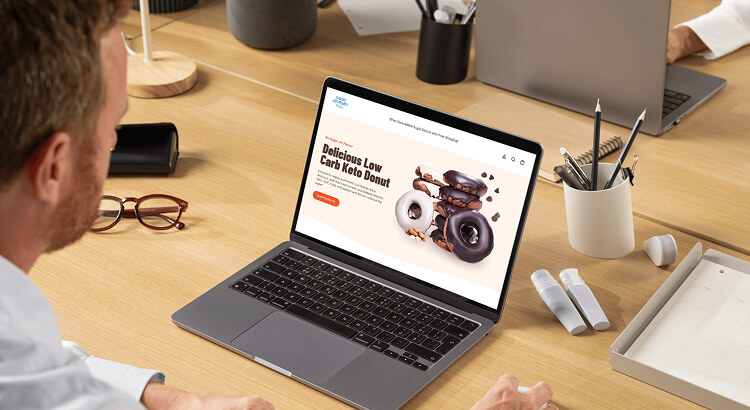
7 High-Converting Landing Page Elements to Skyrocket Your Conversions In today’s digital-first world, your landing page can make or break your conversion strategy. But what separates a forgettable page from one that drives real results? Whether you’re a business owner or a marketer, understanding the key elements of a high-converting landing page is essential. In this guide, we break down 7 proven elements that consistently boost engagement, leads, and sales. 1. Hook Them Fast: Why Your Landing Page Headline Matters Your headline should immediately communicate the value your page offers. Focus on a benefit-driven message that solves a problem or satisfies a need. Use headline analyzers and test variations to find the best performer. Example: “Unlock Your Business Potential with Our Proven Marketing Strategies.” 2. Design CTAs That Convert Your call-to-action should be bold, benefit-oriented, and positioned for visibility. Use phrases like “Get My Free Quote” or “Start Your Free Trial Today” to create urgency and clarity. Keep the CTA above the fold and repeat it strategically throughout your page. ✅ Pro Tip: Use button contrast, directional cues (like arrows), and whitespace to drive focus. 3. Less Clutter, More Conversion A high-converting landing page uses visual hierarchy, whitespace, and a distraction-free layout. Focus the user’s attention on what matters—your offer and your CTA. Use a consistent color palette and keep key info above the fold. 4. Write Copy That Converts Speak directly to your audience’s emotions, goals, and challenges. Focus on benefits over features. Instead of “We build websites,” say, “Get a powerful website that brings in new clients while you sleep.” Use simple language, active voice, and conversational tone. 5. Build Instant Trust with Social Proof Add client testimonials, success stories, or star ratings to validate your offer. Make them specific and relatable: “We increased conversions by 40% in 2 months.” Include client photos and names to enhance credibility. 6. Let Visuals Sell the Story Use professional, relevant visuals that highlight your offer or results. Avoid overly generic stock photos. Show real people using your product or highlight the outcome you deliver. Add alt text to all images for SEO and accessibility. 7. Think Mobile-First With mobile traffic dominating the web, your landing page must be fast, responsive, and touch-friendly. Ensure all CTAs are tappable and key info is accessible without endless scrolling. Test using Google’s Mobile-Friendly Test to optimize performance. Final Thoughts: Build Smarter, Convert Faster, and Elevate Your Results in 2025 The future of landing pages is clear—they must be fast, focused, and built for conversion. From bold headlines to mobile-first design, these 7 essential elements are your formula for crafting pages that not only look good but perform brilliantly. To get ahead in 2025, start optimizing your landing pages now—because conversions don’t happen by chance, they happen by design. 🔥 Ready to turn traffic into loyal customers in 2025?💬 Which landing page element are you excited to optimize first?📞 Need help creating high-converting landing pages that deliver ROI?
10 Proven Rules for Writing Website Content That Engages and Ranks Higher

10 Proven Rules for Writing Website Content That Engages and Ranks Higher Writing website content that ranks high on Google and drives user engagement is key to digital success. Whether you’re a marketer, entrepreneur, or content strategist, mastering the art of compelling copy is essential for traffic, SEO, and conversions. In this guide, you’ll learn 10 proven content writing rules to help your website attract, engage, and convert visitors effectively. 1. Understand Your Audience First Great content starts with a deep understanding of your target audience. Who are they? What are they searching for? What problems are they trying to solve? Tailor your website content to their intent, pain points, and search behaviors. This not only builds trust but ensures your content ranks for relevant keywords and keeps visitors engaged longer. ✅ SEO Tip: Use audience research tools like Google Analytics, Google Trends, and Quora to align your content with real user intent. 2. Craft Attention-Grabbing Headlines Headlines are your first (and sometimes only) chance to grab attention. Make them powerful, benefit-driven, and SEO-friendly. A strong headline uses emotional triggers, clear outcomes, and relevant keywords that align with what users are searching for. ✅ SEO Tip: Use numbers, power words, and your primary keyword near the front of your headline for maximum impact. 3. Write with Clarity and Simplicity Clarity converts. Your audience is busy, and your content should be easy to read and understand at a glance. Stick to short sentences, active voice, and avoid technical jargon unless necessary. The more readable your content, the better it performs in SEO and user engagement. ✅ SEO Tip: Use a Flesch Reading Ease score checker or the Hemingway Editor to simplify your writing. 4. Incorporate Targeted Keywords Naturally Keywords still matter—but how you use them matters even more. Place your target keyword in the title, first 100 words, subheadings, and naturally throughout the body. Use variations and long-tail keywords to capture more search traffic without sounding robotic. ✅ SEO Tip: Use tools like SurferSEO or Ubersuggest to guide keyword placement and avoid over-optimization penalties. 5. Focus on User Intent Google rewards content that matches what users actually want. Understand whether your audience is searching to learn, compare, or buy—and create content that satisfies that purpose. Aligning with user intent improves engagement, click-throughs, and time on page. ✅ SEO Tip: Check the top-ranking pages for your target keywords and reverse-engineer how they meet user intent. 6. Make Content Scannable Scannable content wins the web. Use H2 and H3 subheadings, bullet points, and bolded key phrases to help users quickly find value. Visual hierarchy isn’t just about design—it directly improves engagement and SEO. ✅ SEO Tip: Add keywords to subheadings and keep paragraphs under 3 lines to improve mobile readability. 7. Optimize Your Meta Descriptions and Title Tags Meta titles and descriptions are your mini-advertisements on Google. Craft unique, keyword-rich snippets that spark curiosity and encourage clicks. Make sure your title tag includes your main keyword and matches search intent. ✅ SEO Tip: Use a character counter (like SERPsim) to ensure your title (max 60 characters) and meta description (max 160) display properly. 8. Use Visuals to Support Your Content Visuals enhance comprehension, engagement, and dwell time. Use relevant images, infographics, or short videos to support key points. Optimize every image with descriptive, keyword-rich alt text and proper compression to improve load speed and SEO. ✅ SEO Tip: Use WebP image format and add schema markup to media when possible. 9. Call-to-Action (CTA) A strong CTA turns passive readers into active leads or customers. Make your CTAs clear, urgent, and aligned with the reader’s next step in their journey. Use buttons with strong contrast, benefit-driven copy, and strategic placement throughout your content. ✅ SEO Tip: Track CTA performance using event tracking in Google Analytics to continuously improve conversions. 10. Test, Analyze, and Refine Your Content Your content should evolve over time. Monitor performance with Google Analytics, Search Console, and heatmaps to identify what’s working and what needs improvement. Update content regularly to stay relevant, improve rankings, and increase conversions. ✅ SEO Tip: Refresh old content with updated stats, keywords, and CTAs every 3–6 months for a ranking boost. Final Thoughts: Write Smarter, Rank Higher, and Connect Deeper in 2025 The future of website content isn’t just about keywords—it’s about connection. From user-focused messaging to SEO-optimized structure, these 10 proven rules are your roadmap to creating content that informs, converts, and dominates in search results. To stay competitive, start applying these content strategies today—because high-ranking, high-converting content doesn’t happen by accident. 🔥 Ready to elevate your content and climb the rankings in 2025?💬 Which content rule will you implement first?📞 Need expert help writing content that ranks and resonates?
Is It Time for a Brand Makeover? How to Know When Rebranding Is Right for Your Business

Is It Time for a Brand Makeover? How to Know When Rebranding Is Right for Your Business Is your business struggling to stand out, or does your brand no longer reflect your growth and goals? If your brand feels outdated or disconnected, you might be due for a makeover. Rebranding can unlock new opportunities and revitalize your business—but how do you know when it’s time? 1. Your Brand No Longer Reflects Your Current Mission As businesses evolve, their values and goals often shift. This can result in a brand that no longer reflects the company’s current mission. For instance, if your company has grown from a small local business to a global player, but your branding still reflects your original startup identity, it might be time for an upgrade. Key Questions to Ask Yourself: Does my current brand align with our business values and goals? Has our mission evolved, but our branding hasn’t kept up? Is our messaging still resonating with our audience or does it feel disconnected? 2. Your Brand Feels Outdated and Stale Branding trends evolve quickly. What was once cutting-edge can soon feel outdated, especially in industries like tech or fashion. Think of how brands like Apple have continuously updated their look to stay fresh and modern. If your logo, website, or marketing materials haven’t changed in years, it may be time for a refresh to stay competitive. Key Questions to Ask Yourself: Is my brand identity outdated or irrelevant to my target audience? Do our competitors have more modern, appealing branding? Has the design of our website, logo, and social media posts become stale? 3. You’ve Outgrown Your Current Brand As your business grows, you may diversify into new products, services, or markets. If your branding hasn’t kept up with that evolution, it could create confusion for your customers. For example, a company that started with a small niche product might need to update its branding to better reflect its expanded product line and broader market presence. Key Questions to Ask Yourself: Has our business expanded in a way that our brand no longer supports? Are we offering new products or services that our current brand doesn’t convey? Do we want to position ourselves as a larger, more diverse company, but our brand still looks small and niche? 4. Your Audience Has Changed As your audience changes, so should your brand. For example, a company that originally catered to baby boomers might find that Millennials are now their primary consumers. Adjusting your brand’s messaging, design, and tone can help you resonate with a new generation while still maintaining connections with your original customers. Key Questions to Ask Yourself: Has our target audience shifted in terms of demographics, needs, or expectations? Does our brand still resonate with the people we’re trying to reach? Are we finding it harder to attract new customers while retaining the old ones? 5. Your Brand Lacks Consistency Across Platforms Consistency across all platforms is key to building trust and recognition with your audience. If your logo, color scheme, and messaging differ between your website, social media, and email campaigns, it can confuse customers and weaken your brand’s impact. Consistency ensures your audience has a seamless experience, no matter where they encounter your business. Key Questions to Ask Yourself: Does our brand look different across various channels? Is there a disconnect in messaging or design between our website, social media, and marketing materials? Are we struggling to maintain consistency in how we present our brand? Final Thoughts: Is It Time to Rebrand? The future of branding is dynamic, intelligent, and deeply customer-centric. From revitalizing outdated identities to aligning with your evolving mission and audience, these key signs will guide you to determine when a rebrand is necessary to stay relevant in a competitive market. To stay ahead of the competition, consider integrating these rebranding strategies into your business today—don’t wait for your brand to fall behind. 🔥 Ready to revamp your brand for the future? 💬 Which rebranding sign resonates most with you? 📞 Need expert help executing a rebrand?
The Future of Web Design: Top Trends for 2025
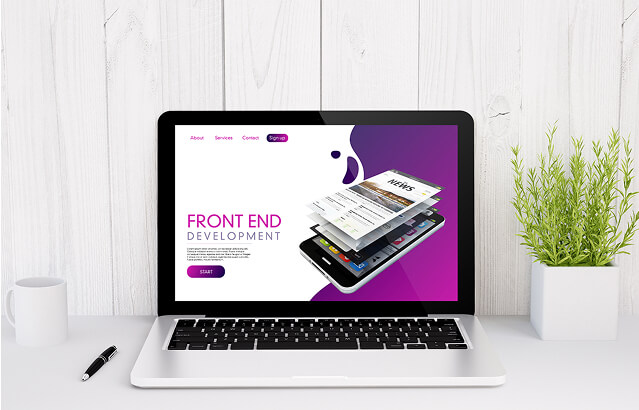
The Future of Web Design: Top Trends for 2025 As we move into 2025, the world of web design is rapidly evolving. From bold typography to AI-powered personalization, the latest web design trends for 2025 focus on innovation, user-centric experiences, and seamless functionality. Whether you’re a business revamping your site or a designer staying ahead of the curve, these trends are essential to creating future-ready websites. 1. Bold and Expressive Typography Typography has always played an important role in web design, but in 2025, it’s taking center stage. Designers are moving away from traditional fonts and opting for bold, custom, and expressive typefaces that reflect a brand’s personality. The goal is to create memorable, visually striking designs that not only catch the eye but also tell a story. Expect to see more oversized fonts, unique letterforms, and typography that becomes a key part of the user experience. 2. Anti-Design: Embracing Imperfection The future of web design is all about breaking the rules, and the “anti-design” trend is leading the way. This approach embraces asymmetry, clashing colors, and even overlapping elements. It’s a design philosophy that intentionally steps away from perfection, offering a more raw, authentic, and human feel to websites. Think of it as the opposite of the clean, symmetrical designs we’ve become accustomed to. The beauty of anti-design lies in its imperfection, which makes websites feel more relatable and unique. 3. Neumorphism: Soft and Subtle Interfaces Neumorphism, or “soft UI,” is a design trend that combines the best of skeuomorphism (design elements that resemble real-world objects) and flat design. The result is interfaces that appear to subtly protrude from or dent into the background, creating a soft, tactile feel. Neumorphism adds depth without overwhelming the user, making it a great option for minimalist designs. With its subtlety and modern aesthetic, this trend is likely to gain more traction in 2025. 4. Dark Mode Design Dark mode isn’t just a trend—it’s quickly becoming a user preference. In 2025, expect to see more websites embracing dark mode design, providing users with a more comfortable and energy-efficient browsing experience, especially on OLED screens. This darker interface can help reduce eye strain and make content stand out in a different way. Offering dark mode as an option will be essential for websites looking to cater to all types of users. 5. Micro-Interactions and Animations Micro-interactions are tiny design elements that can make a big impact. From buttons that change color when hovered over to animations that guide users through a website, micro-interactions are all about enhancing the user experience. These subtle animations create a sense of engagement and provide visual feedback, making websites feel more dynamic. In 2025, expect to see these elements incorporated more frequently, improving usability and making digital interactions more enjoyable. 6. Minimalist Design with Maximal Impact While trends may come and go, minimalist design remains a staple in web design. However, the trend for 2025 is minimalism with maximal impact. The focus will be on simplicity, with clean layouts, large typography, and ample white space. By stripping away unnecessary elements, designers can allow content to shine and enhance the overall user experience. This approach not only improves website usability but also makes the design feel fresh and modern. 7. Voice User Interface (VUI) Integration With voice assistants like Alexa, Siri, and Google Assistant becoming part of everyday life, it’s no surprise that voice user interfaces (VUI) are on the rise. In 2025, we’ll see more websites incorporating VUI, allowing users to navigate, search, and interact with content using voice commands. This trend will create a more hands-free and intuitive browsing experience, which is particularly valuable for users on the go or those with disabilities. 8. AI-Powered Personalization Personalization is key to creating engaging user experiences, and in 2025, artificial intelligence (AI) will take this to the next level. Websites will use AI to analyze user behavior, preferences, and browsing habits to tailor content, product recommendations, and layouts accordingly. AI-powered personalization ensures that each visitor has a unique experience, making them feel more connected to the brand. This trend is poised to revolutionize e-commerce, content delivery, and overall web engagement. 9. Mobile-First and Responsive Design As mobile internet usage continues to grow, web design has shifted to a mobile-first approach. In 2025, responsive design will be more important than ever, ensuring websites look great and function smoothly across all devices, from smartphones to desktop computers. Mobile-first design means creating websites with smaller screens and touch interactions in mind, ensuring a seamless experience for users regardless of their device. 10. Sustainable and Ethical Design Practices Sustainability is becoming a top priority in nearly every industry, and web design is no exception. In 2025, expect more websites to prioritize eco-friendly design practices, such as optimizing websites for energy efficiency and reducing carbon footprints. Ethical design will also take center stage, with more websites ensuring accessibility for all users, promoting diversity, and aligning with social values. As sustainability becomes a bigger concern, businesses will want to align their digital presence with these values. SEO Best Practices for 2025 While staying on top of web design trends is crucial, it’s equally important to ensure that your website is optimized for search engines. Here are some SEO best practices to implement as part of your web design strategy: • Keyword Research: Identify high-traffic keywords related to your industry and integrate them naturally into your website’s content, titles, and meta descriptions. • Mobile Optimization: Google prioritizes mobile-friendly websites, so ensure your site is responsive and optimized for all devices. • Fast Loading Times: Slow websites can hurt your SEO rankings. Compress images, minimize code, and use caching to ensure your site loads quickly. • Secure and Accessible: Use HTTPS for security, and ensure your website is accessible to all users, including those with disabilities. • Quality Content: Regularly update your website with fresh, valuable content that answers your audience’s questions and solves their problems. Final Thoughts: Design Smarter, Faster, and More Human in 2025 The future of web design is
The Future of Digital Marketing Is Here – Are You Ready?

The Future of Digital Marketing Is Here – Are You Ready? The digital landscape is evolving at lightning speed, and what worked yesterday won’t work tomorrow. As we head into a new era, the top digital marketing trends for 2025 are set to transform how businesses attract, engage, and convert their audiences. From AI-powered strategies to privacy-first marketing, staying ahead of the curve means understanding—and applying—what’s next. Here are 8 powerful trends shaping the future of digital marketing in 2025. Let’s dive in. 1. AI-Powered Marketing: The Game-Changer in 2025 Digital Advertising & Content Creation Artificial Intelligence (AI) is no longer a futuristic concept—it’s now one of the most impactful digital marketing trends for 2025. Businesses are leveraging AI to revolutionize how they connect with customers and drive results. In 2025, expect AI to: ✅ Automate content creation—including blog posts, social media captions, and product descriptions.✅ Optimize ad campaigns in real-time using AI-powered tools like Google Performance Max and Meta Advantage+.✅ Personalize user experiences with chatbots, predictive analytics, and dynamic website content. 2. Voice & Visual Search: A 2025 SEO Trend You Can’t Ignore More people are using voice assistants (Siri, Alexa, Google Assistant) and visual search (Google Lens, Pinterest Lens) to find products and information. This means traditional SEO strategies won’t be enough. How to Optimize for Voice & Visual Search: 🔹 Write content in a conversational tone (think: “Where’s the best digital marketing agency near me?”).🔹 Use long-tail keywords and FAQ-style content.🔹 Optimize images with descriptive file names, alt text, and structured data markup. 💡 Why It Matters: Websites that adapt to voice and visual search will see a significant boost in organic traffic. 3. Hyper-Personalization: Customers Expect You to Know Them In 2025, personalized marketing will no longer be optional—it’s one of the defining digital marketing trends for 2025. Winning Personalization Strategies: ✅ Use AI-driven email marketing to send hyper-relevant content. ✅ Implement dynamic content that changes based on user preferences. ✅ Leverage first-party data to create personalized offers. 💡 Why It Matters: Personalized experiences increase conversions by up to 80%. 4. Short-Form Video: A Must-Have Content Strategy for 2025 Platforms like TikTok, Reels, and Shorts are fueling one of the biggest digital marketing trends of 2025: short-form video content. 🎥 Create quick tutorials, behind-the-scenes content, and product demos. 🎥 Hook viewers within the first 3 seconds (attention spans are shorter than ever). 🎥 Keep it authentic and unpolished—people prefer real over staged. 💡 Why It Matters: Short videos get higher engagement and more shares than any other content format. 5. Privacy-First Marketing: The End of Third-Party Cookies Google is phasing out third-party cookies, and businesses need a new way to track and target customers—without compromising privacy. With privacy regulations evolving fast, privacy-first marketing stands out among the top digital marketing trends in 2025. How to Prepare: 🔹 Focus on first-party data (newsletter sign-ups, loyalty programs, and direct customer interactions). 🔹 Use contextual advertising instead of behavioral tracking. 🔹 Ensure compliance with GDPR, CCPA, and other data privacy regulations. 💡 Why It Matters: Brands that embrace transparency and user privacy will win consumer trust. 6. Social Commerce: A Growing Digital Trend in 2025 Forget traditional e-commerce—people are shopping directly on Instagram, TikTok, and Facebook. Social commerce is set to grow exponentially in 2025. How to Leverage Social Commerce: ✅ Set up an Instagram Shop and TikTok Shopping. ✅ Run live shopping events to create real-time engagement. ✅ Partner with influencers to drive authentic product recommendations. 💡 Why It Matters: Social commerce is expected to reach $1.2 trillion by 2025. Don’t miss out! 7. Interactive & Immersive Content: Get Your Audience Engaged Interactive and immersive content is becoming a core part of digital marketing trends 2025, especially as attention spans continue to shrink. Static content is dead. Customers want experiences, not just ads. The future of marketing lies in: 🎮 Augmented Reality (AR) ads (try-before-you-buy experiences). 📊 Interactive infographics, polls, and quizzes that boost engagement. 🛒 Shoppable videos that let users buy products with a single click. 💡 Why It Matters: The longer people interact with your content, the more likely they are to convert. 8. Sustainable & Ethical Marketing: Gen Z & Millennials Demand More Consumers are no longer just buying products; they’re buying brands with a mission. Sustainability, diversity, and ethical business practices are non-negotiable. How to Show You Care: ✅ Highlight sustainability initiatives in your marketing. ✅ Support social causes that align with your brand values. ✅ Be transparent about your supply chain and ethical practices. 💡 Why It Matters: Brands that embrace sustainability will build deeper customer loyalty and positive brand perception. Final Thoughts: Future-Proof Your Digital Marketing Strategy for 2025 The future of digital marketing is fast, intelligent, and customer-centric. From AI-powered campaigns to privacy-first initiatives, these top digital marketing trends for 2025 will shape how brands grow and compete in a changing world. To stay ahead, start applying these emerging strategies today—don’t wait for the future to catch up. 🔥 Ready to elevate your 2025 digital marketing strategy?💬 Tell us which trend you’re most excited about!📞 Need expert help implementing these trends?