
Marketing Without Paid Ads: How Smart Brands Are Winning in 2025

Marketing Without Paid Ads: How Smart Brands Are Winning in 2025 In 2025, marketing without paid ads isn’t just possible — it’s powerful. As advertising costs continue to rise and consumer trust in traditional ads declines, smart brands are embracing organic strategies to drive growth, build loyalty, and dominate their niches. If you’re a U.S.-based business looking to thrive without burning budget on Facebook, Google, or Instagram ads, this guide is for you. Why Brands Are Moving Away From Paid Ads The digital advertising landscape has changed. Here’s why: Rising costs: CPCs on platforms like Meta and Google have increased significantly since 2023. Ad fatigue: Users scroll past sponsored posts with barely a glance. Privacy regulations: Stricter data laws (like CCPA and updates to iOS) have weakened ad targeting. ROI uncertainty: Many businesses are finding diminishing returns from paid campaigns. 7 Proven Strategies to Market Without Paid Ads in 2025 1. Invest in High-Quality Content Marketing Content remains king in 2025. Smart brands are creating: SEO-optimized blog posts Expert guides and whitepapers Long-form video content for YouTube and TikTok Podcasts tailored to niche audiences 🔑 SEO Tip: Use keyword clusters around your core topics. For example, a fitness brand might target “home workouts for busy moms,” “strength training routines,” and “postpartum fitness tips.” 2. Leverage Email Marketing & Automation Email marketing still offers one of the best ROIs in digital marketing. Build segmented lists based on user behavior Automate drip campaigns for nurturing Deliver personalized, valuable content — not just sales 🧠 Pro tip: Pair email with lead magnets like quizzes, checklists, or free tools to build your list organically. 3. Maximize Organic Social Media Reach Authenticity wins in 2025. Brands are thriving by: Posting behind-the-scenes content Encouraging UGC (user-generated content) Using platform-native features like Instagram Reels or LinkedIn Newsletters Engaging actively (likes, comments, shares) to boost reach 📱 Platform to watch: Threads by Meta is gaining traction for B2C engagement. 4. Double Down on SEO & Local Search Search engine optimization remains essential — especially for local U.S. markets. Optimize for “near me” searches Get listed on Google Business Profile, Yelp, and niche directories Collect and manage customer reviews 🔍 Hot keyword trend in 2025: Voice search queries like “best vegan bakery near me open now.” 5. Partner With Micro-Influencers Micro-influencers (5K–100K followers) often drive higher engagement than mega-celebrities. Look for niche relevance and authentic content Use gifting or affiliate partnerships to keep costs low Focus on platforms where your audience hangs out (like TikTok for Gen Z or LinkedIn for B2B) 📈 SEO Benefit: Influencer backlinks and branded mentions improve your domain authority. 6. Build a Community In 2025, community is currency. Start a private Facebook Group, Discord server, or Circle community Host virtual events, AMAs, and meetups Reward loyalty with exclusive perks 🤝 Example: A sustainable beauty brand might run a “green ambassador” program to reward referrals and feedback. 7. Offer Value Through Free Tools & Resources Free tools help you rank for competitive keywords and collect leads. Examples: Calculators Quizzes Templates Downloadable guides 🛠️ Example: A tax prep firm offers a “freelancer tax calculator” — SEO gold and a lead magnet. The Smart Brand Advantage In 2025, smart brands aren’t relying on paid ads — they’re building assets that grow over time: SEO traffic, loyal communities, and email lists. Whether you’re a startup or a 7-figure brand, these no-ad strategies give you long-term visibility without draining your budget. Final Thoughts Marketing without paid ads isn’t just a backup plan — it’s a smart, sustainable strategy for brands that want to build long-term trust and visibility. In 2025, the most successful businesses aren’t the ones spending the most on ads; they’re the ones creating real value, showing up consistently, and connecting authentically with their audience. By focusing on content, community, and organic growth, you can future-proof your marketing — and win without spending a dime on ads.

Webflow vs. WordPress vs. Shopify: How to Choose the Right Platform in 2025
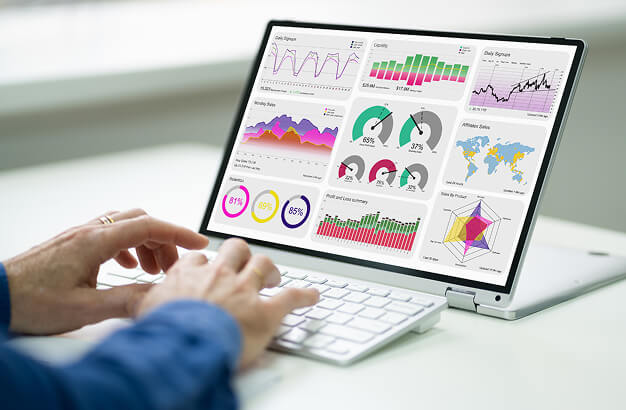
Webflow vs. WordPress vs. Shopify: How to Choose the Right Platform in 2025 Choosing the right website builder in 2025 can feel overwhelming. Whether you’re starting an online store, building a portfolio, or creating a content-driven site, Webflow, WordPress, and Shopify are top contenders. But how do they compare, and which one is right for your needs? In this guide, we’ll compare these three platforms based on ease of use, flexibility, pricing, SEO capabilities, ecommerce features, and best use cases to help you make an informed decision. 1. Overview of Each Platform Webflow Webflow is a visual website builder that combines the power of a CMS with the flexibility of custom code. Ideal for designers and developers, it allows for pixel-perfect control without needing to touch code—though HTML/CSS knowledge helps. WordPress As the most popular CMS globally, WordPress powers over 40% of all websites. It’s open-source, highly customizable, and supported by a massive library of themes and plugins. Shopify Shopify is a dedicated ecommerce platform built specifically for online stores. It offers a streamlined, all-in-one solution for entrepreneurs looking to sell products online. 2. Ease of Use Platform Ease of Use Score Ideal User Webflow Moderate Designers/Agencies WordPress Moderate to Easy Bloggers/Businesses Shopify Easy Online Store Owners Webflow offers a steep learning curve but rewards with unmatched design control. WordPress has a slightly easier learning curve, especially with page builders like Elementor or Gutenberg. Shopify is the easiest to use, thanks to its guided store setup and user-friendly dashboard. 3. Design & Customization Webflow is a dream for designers. You can create unique, responsive designs from scratch. WordPress supports thousands of themes and builders for full customization. Shopify offers limited design flexibility unless you modify the Liquid code. Winner: Webflow for custom design, WordPress for flexibility. 4. SEO Features Webflow: Built-in SEO tools, clean code, fast loading speeds. WordPress: Powerful SEO plugins like Yoast or RankMath. Shopify: Decent SEO features, though URL structure can be limiting. SEO Tip for 2025: Speed and Core Web Vitals remain critical—Webflow and WordPress (with optimization) lead here. 5. Ecommerce Capabilities Feature Webflow WordPress (WooCommerce) Shopify Ease of Setup Moderate Moderate to Hard Easy Payment Gateways Limited Extensive Extensive Built-in Tools Basic Advanced (via plugins) Excellent Shopify dominates ecommerce with integrated inventory, shipping, taxes, and more. WordPress + WooCommerce offers great flexibility but requires more setup. Webflow Ecommerce is growing but still limited for complex needs. Winner: Shopify for online stores. 6. Pricing Comparison Webflow: $14–$39/month for site plans, Ecommerce from $42/month. WordPress: Hosting ($5–$30/month), plugins/themes vary. Shopify: Starts at $39/month, plus transaction fees unless using Shopify Payments. 💡 Hidden Costs Tip: WordPress can appear cheaper but add-on costs (themes, plugins, support) can add up. 7. Best Use Cases Platform Best For Webflow Custom websites, portfolios, design freedom WordPress Blogs, business sites, content-heavy platforms Shopify Ecommerce, dropshipping, retail brands Conclusion: Which Platform Should You Choose in 2025? Choose Webflow if you value design control and want a modern, no-code approach. Choose WordPress if you want flexibility, a wide plugin ecosystem, or are building a content-driven site. Choose Shopify if your primary goal is ecommerce with a seamless user experience. 💬 Final Thoughts The best website builder depends on your goals. In 2025, Webflow, WordPress, and Shopify are all powerful, but each has its own strengths. Take stock of your priorities—design, content, or ecommerce—and pick the platform that aligns with your growth.
Instagram, TikTok, LinkedIn: What’s Really Working for Brands in 2025

Instagram, TikTok, LinkedIn: What’s Really Working for Brands in 2025 In the ever-evolving landscape of social media, 2025 has brought dynamic shifts to how brands engage, advertise, and grow online. Instagram, TikTok, and LinkedIn have emerged as essential platforms for businesses aiming to strengthen their presence and drive results.If you’re looking to refine your strategy, understanding the latest social media marketing trends 2025 is crucial. Let’s dive into what’s really working—and what you need to know. Instagram: Authentic Storytelling and Micro-Influencers Reign Supreme Instagram continues to be a powerhouse, but the focus in 2025 is crystal clear: authenticity over perfection. Key trends: Micro and nano-influencers are outperforming mega-celebrities. Brands see higher engagement and ROI when partnering with influencers who have loyal, niche audiences. Instagram Stories and Reels dominate user engagement. Brands creating quick, behind-the-scenes content outperform those relying solely on curated feed posts. Shoppable posts and AI-driven product recommendations within Instagram Shopping are seeing a major boom. Pro tip:Focus on building real connections. Feature user-generated content, behind-the-scenes videos, and authentic testimonials to boost trust and loyalty. Relevant Keywords:Instagram marketing trends 2025, influencer marketing Instagram, Instagram Reels strategy TikTok: Entertainment, Education, and Edutainment TikTok has matured—and so has its audience. In 2025, it’s not just Gen Z. Millennials and even Gen X are now active users. What’s working: Educational content (“edutainment”) is booming. Brands sharing bite-sized tips, tutorials, and industry insights get high visibility. User challenges and UGC campaigns remain highly effective. Community involvement helps brands appear relatable and fun. TikTok SEO (keyword optimization in captions and videos) is crucial for discoverability on the platform. Pro tip:Think “show, don’t tell.” Demonstrate your product’s benefits, create quick how-tos, and engage with trending sounds and hashtags that align with your brand. Relevant Keywords:TikTok marketing strategies 2025, TikTok SEO, TikTok for business LinkedIn: Thought Leadership and Employee Advocacy LinkedIn isn’t just for job seekers anymore—it’s a content goldmine for brands in 2025. Key strategies: Thought leadership content (whitepapers, industry insights, expert tips) dominates organic reach. Employee advocacy programs help humanize brands. Companies that encourage employees to share content see a 2-3x higher engagement rate. Video posts and LinkedIn Newsletters continue gaining traction, with video seeing 5x more engagement than text-only posts. Pro tip:Invest in personal branding for your team. Support executives and employees in becoming micro-influencers in your industry. Relevant Keywords:LinkedIn marketing for brands, LinkedIn content strategy 2025, employee advocacy LinkedIn 2025’s Universal Social Media Best Practices No matter the platform, these principles hold true: AI-powered analytics and personalization are key to targeting the right audience. Sustainability and social responsibility messaging are more important than ever to connect with value-driven consumers. Community engagement beats pure broadcasting. Conversation > Monologue. Final Thoughts If you want to succeed with social media marketing trends 2025, your brand must stay agile, authentic, and deeply connected to your audience’s evolving expectations.Instagram, TikTok, and LinkedIn each offer powerful, unique opportunities—but the brands that will thrive are those that adapt strategies tailored to each platform’s strengths. Ready to level up your social media marketing game?Stay ahead by embracing these trends today!
AI Tools for Marketers and Designers in 2025: Which Ones Are Worth It?

AI Tools for Marketers and Designers in 2025: Which Ones Are Worth It? The world of marketing and design is undergoing a radical transformation, thanks to the rise of AI tools. As we step into 2025, artificial intelligence is no longer a futuristic concept — it’s an integral part of the digital toolkit for marketers and designers alike. These tools are streamlining workflows, improving creativity, and driving efficiencies that were once unimaginable. But with so many options available, it can be overwhelming to decide which AI tools are truly worth investing in. In this post, we’ll dive into the most popular and effective AI tools for marketers and designers in 2025 and highlight the ones that offer the best value for your business. 1. AI Tools for Content Creation and Marketing In 2025, content creation continues to be a key pillar of any digital marketing strategy. AI-powered tools are making it easier than ever to produce high-quality content at scale, while also enhancing the creativity behind each piece. Best AI Tools for Content Marketing: ChatGPT (OpenAI): This language model is ideal for generating blog posts, product descriptions, email campaigns, and even social media content. With ChatGPT, marketers can produce large amounts of engaging content quickly while maintaining a conversational tone. Copy.ai: Copy.ai is another excellent tool for marketers who need to generate copy fast. Whether it’s for ad campaigns, landing pages, or email sequences, this AI tool can help streamline the writing process by creating compelling text in seconds. Jasper.ai: Known for its ability to help marketers with blog writing, website copy, and social media posts, Jasper.ai uses AI to generate SEO-friendly content that resonates with audiences. Why They’re Worth It: AI tools like ChatGPT, Copy.ai, and Jasper.ai save time and enhance productivity by automating repetitive tasks. They also help marketers maintain consistency across multiple platforms, ensuring that content adheres to brand tone and style. SEO Keywords: AI tools for content marketing 2025, content generation AI, AI content creation tools 2. AI for Design and Creative Workflows Designers are also benefiting from AI advancements, particularly in the areas of design automation and image generation. Whether you’re working on logos, social media graphics, or entire brand identities, AI tools are designed to improve efficiency and unleash creativity. Best AI Tools for Designers: Canva’s AI Tools: Canva has evolved into an all-in-one design platform that now integrates AI to help with everything from design recommendations to automatic resizing of visuals for various social media platforms. It’s an ideal tool for designers looking to speed up the creation process. Fotor: Fotor’s AI-powered design tools can help you create professional-looking designs and photo edits with ease. It can generate high-quality visuals, automate image retouching, and suggest design styles based on the content provided. Runway ML: Runway is an AI-powered creative toolkit that offers features like automatic video editing, motion graphics creation, and image synthesis. It’s ideal for designers and creators looking for advanced AI features that help streamline creative workflows. Why They’re Worth It: AI tools for design like Canva, Fotor, and Runway ML are perfect for designers looking to increase productivity and creativity without the steep learning curve. These tools make it easy to implement professional design standards, even for beginners. SEO Keywords: AI tools for designers 2025, AI design software, creative AI tools for design 3. AI for Marketing Automation and Analytics AI isn’t just about content creation and design. In 2025, AI tools for marketing automation and analytics are becoming indispensable. These tools help marketers optimize their campaigns, target the right audiences, and analyze customer behavior in real-time. Best AI Tools for Marketing Automation: HubSpot: HubSpot continues to lead the way in marketing automation, offering AI-driven features for lead nurturing, personalized email campaigns, and detailed analytics. It can predict the best time to send emails, optimize ad campaigns, and provide insights into customer behavior. Mailchimp with AI: Mailchimp has incorporated AI to enhance its email marketing platform. From predicting the best subject lines to automating personalized emails, Mailchimp’s AI-powered features can improve the effectiveness of email campaigns and boost ROI. Google Analytics with AI: Google Analytics has integrated AI capabilities that help marketers predict user behavior, optimize ad spend, and make data-driven decisions. It provides actionable insights that can be used to improve marketing strategies and performance. Why They’re Worth It: These tools help marketers streamline workflows, improve customer targeting, and gain valuable insights into campaign performance. AI-powered marketing automation and analytics not only save time but also provide businesses with the data they need to make better decisions and optimize campaigns in real-time. SEO Keywords: marketing automation AI, AI analytics tools, AI-driven marketing platforms 4. AI Tools for Social Media Marketing Social media is another area where AI is making significant strides. In 2025, AI tools can help marketers schedule posts, track engagement, and even suggest content topics based on trending topics and audience preferences. Best AI Tools for Social Media Marketing: Hootsuite: Hootsuite now integrates AI to help marketers schedule and analyze social media posts more effectively. The AI tools predict the best times to post, recommend hashtags, and analyze engagement metrics to ensure the best possible reach. Lately.ai: Lately.ai uses AI to create and schedule social media posts by analyzing your brand’s past content and identifying patterns in what performs best. It’s ideal for marketers who want to maximize their social media strategy with minimal effort. Why They’re Worth It: Social media is a fast-paced environment where staying on top of trends and engagement is crucial. With AI-powered tools like Hootsuite and Lately.ai, marketers can automate their posting schedule, optimize content, and ensure they are consistently reaching their target audience. SEO Keywords: AI tools for social media, social media marketing AI, social media automation tools Final Thoughts: Embrace AI for 2025 Success The future of marketing and design is undeniably intertwined with AI. From content creation to design, marketing automation, and social media management, AI tools for marketers and designers are changing the way we work in
How to Prepare Your Brand for Summer 2025: Web, Marketing & Design Tips

How to Prepare Your Brand for Summer 2025: Web, Marketing & Design Tips As the days get longer and the temperatures rise, it’s time for brands to rethink their strategy for the summer season. Summer 2025 is just around the corner, and whether you’re in e-commerce, hospitality, or B2B, your online presence and marketing need to reflect the energy and trends of the season. At Kavo Digital, we specialize in creating impactful web designs, marketing campaigns, and branding strategies that help businesses shine year-round — especially during peak seasons like summer. Here’s how you can prepare your brand for summer 2025 with winning web, marketing, and design tips. 1. Refresh Your Website with a Summer Twist First impressions matter. Your website is often the first point of contact for potential customers — and a seasonal refresh can significantly improve engagement.Actionable Tips: Update hero images with bright, seasonal visuals (think beach scenes, vibrant colors, outdoor vibes). Implement summer promotions and time-sensitive banners. Optimize page speed and mobile responsiveness for users on-the-go. Consider adding interactive elements like countdown timers for summer sales or limited offers. SEO Keywords: website refresh summer 2025, seasonal web design, summer website tips 2. Launch a Summer-Themed Marketing Campaign A fresh marketing campaign can position your brand in the spotlight during the busy summer months.Actionable Tips: Create seasonal offers or “Summer Specials” to drive urgency. Launch a targeted email marketing sequence with summer content and discounts. Collaborate with influencers and content creators for authentic summer-themed promotions. Build a campaign landing page optimized for summer-related search terms. SEO Keywords: summer marketing ideas 2025, summer promotions, seasonal marketing campaigns 3. Update Your Branding for a Seasonal Vibe Your brand identity should be flexible enough to incorporate seasonal updates without losing its core message.Actionable Tips: Adjust your logo with temporary summer-themed variations (e.g., a sun or wave element). Incorporate a vibrant summer color palette into social media graphics and promotional materials. Update brand voice for summer — make it lighter, energetic, and fun. SEO Keywords: seasonal branding tips, summer branding ideas, brand identity summer update 4. Optimize for Summer Search Trends SEO is a dynamic game, and seasonality plays a massive role in consumer behavior.Actionable Tips: Research trending summer keywords in your industry and incorporate them into your content. Create blog posts and social media content around summer activities, events, and solutions. Optimize Google My Business listings with summer-specific offers or updates if you’re targeting local markets. SEO Keywords: summer SEO strategies, summer 2025 search trends, seasonal SEO tips 5. Go Big on Visual Content Summer is highly visual — people are drawn to colorful, bright, and playful imagery.Actionable Tips: Create short-form video content showcasing your products/services in summer settings. Host a summer photo contest on Instagram or TikTok to boost engagement. Use seasonal graphics, GIFs, and motion design elements across your digital platforms. SEO Keywords: summer content marketing, summer visual marketing, seasonal video ideas Final Thoughts Getting your brand ready for summer 2025 isn’t just about changing colors or offering discounts — it’s about capturing the spirit of the season and aligning your digital presence with your audience’s summer lifestyle. By refreshing your website, launching seasonal campaigns, updating your branding, optimizing for summer trends, and leveraging vibrant visuals, your brand can truly stand out and thrive. At Kavo Digital, we’re ready to help you shine this summer. Need a website refresh, a summer-ready marketing campaign, or a full branding upgrade? Let’s make it happen — contact us today!