
The End of Keywords? How Search Is Evolving Beyond Text

The End of Keywords? How Search Is Evolving Beyond Text For decades, keywords have been the backbone of SEO. But in 2025, the way people search online is changing dramatically. Voice search, AI assistants, and multimodal queries are reshaping how users find information and how brands get discovered. So, is this the end of keywords as we know them? Let’s dive into the future of search beyond text and what it means for marketers, web designers, and businesses that rely on organic visibility. 1. Why Keywords Are No Longer Enough Traditional SEO has been all about keyword research, density, and optimization. But today’s search engines are powered by AI models that focus on: Context and intent (not just exact matches) User behavior signals like engagement and dwell time Semantic relationships between words and concepts This means a page can rank even if the “exact keyword” isn’t present — as long as it delivers relevant, high-quality content. 2. The Rise of Voice Search With smart speakers and AI assistants like Siri, Alexa, and Google Gemini, queries are becoming longer, conversational, and question-based. Instead of typing “best dentist New York”, users ask: “Which dentist near me has the best reviews and accepts new patients?” 👉 For brands, this means optimizing for natural language, FAQs, and long-tail conversational queries. 3. Visual & Multimodal Search Search is no longer just about words. Platforms like Google Lens, Pinterest, and TikTok search let users find products or information through images and videos. A photo of a pair of shoes → “shop this style” A TikTok clip → “how-to tutorials” directly indexed 👉 Businesses should optimize alt text, structured data, and visual content to stay competitive. 4. AI-Powered Search & Zero-Click Results With AI Overviews (Google SGE, ChatGPT search integrations), more answers appear directly on the search page. This creates: Zero-click searches where users never visit a website. Higher importance of authority and topical depth for being included in AI-generated answers. 👉 Strategy: Build content clusters, strengthen E-E-A-T (Experience, Expertise, Authoritativeness, Trustworthiness), and position your site as the best possible source for AI engines. 5. What Brands Should Do Now To thrive in the future of search beyond keywords: Optimize for intent → Focus on what users mean, not just what they type. Leverage structured data → Schema markup helps AI understand your content. Create multimedia content → Videos, infographics, podcasts, and images. Build topical authority → Cover a subject in depth, not just surface-level. Prioritize user experience → Fast, accessible, mobile-first design is essential. Final Thoughts We’re not saying keywords are completely dead — but the future of search is much bigger than text alone. Voice, visuals, and AI are changing the rules, and brands that adapt now will win tomorrow’s visibility battle. 💡 At Kavo Digital, we help businesses stay ahead with SEO strategies designed for the future. If you’re ready to grow beyond keywords, get in touch with us today
Environmental Color Design in UX: How Calm and Aggressive Colors Shape User Behavior

Environmental Color Design in UX: How Calm and Aggressive Colors Shape User Behavior Color is more than just aesthetics, it’s a critical part of User Experience (UX) design that shapes how people think, feel, and behave when interacting with digital products. In this guide, we’ll explore the concept of Environmental Color Design, with a special focus on the use of calm vs. aggressive color schemes. You’ll learn how colors influence emotions, decision-making, and conversions—and how to apply this knowledge to your websites, apps, or interfaces to create a better user experience. What is Environmental Color Design? Environmental Color Design refers to the strategic use of color in digital or physical spaces to influence mood, perception, and behavior. In UX, this means using colors across websites, apps, or software interfaces to create an environment that aligns with business goals and enhances usability. Color isn’t just decoration. It plays a psychological role, affecting: Emotional responses Trust and credibility Engagement levels Purchasing decisions Retention and loyalty In a U.S. digital market where users make snap judgments in seconds, effective environmental color design can give your product a competitive advantage. The Psychology of Color in UX Decades of research in color psychology reveal that humans have strong, often subconscious, reactions to different colors. In UX, this translates to carefully choosing color palettes that align with your desired user response. Here’s a breakdown of how color influences user behavior: Color Emotional Impact Common Uses Blue Trust, security, professionalism Banking apps, SaaS platforms, healthcare Red Urgency, excitement, danger, passion Sales banners, alerts, entertainment Green Growth, health, balance, eco-consciousness Wellness apps, finance, sustainability Yellow Optimism, attention-grabbing, caution Promotions, notifications, children’s apps Black Power, luxury, sophistication High-end brands, fashion, tech Gray Neutrality, calm, professionalism Backgrounds, corporate interfaces Calm vs. Aggressive Color Schemes in UX Design Understanding the difference between calm and aggressive color environments is essential for designing interfaces that guide user behavior effectively. Calm Color Schemes Colors: Light blues, muted greens, soft grays, pastels, off-whites Psychological Effect: Reduces stress, increases clarity, builds trust Best For:✔ Healthcare platforms✔ Financial services (banks, insurance apps)✔ Educational websites✔ Professional corporate websites Calm color environments promote focus and sustained engagement. They’re ideal for platforms where trust and attention to detail are critical. Aggressive Color Schemes Colors: Bright reds, vibrant oranges, neon accents, stark black contrasts Psychological Effect: Sparks urgency, boosts energy, drives quick decisions Best For:✔ E-commerce sales pages✔ Limited-time promotions✔ Fitness apps or performance tracking✔ Gaming or entertainment platforms Aggressive colors grab attention and can motivate immediate actions—perfect for time-sensitive interactions. When to Use Calm vs. Aggressive Colors in UX Your color choice should align with the user’s emotional state and your business objectives: Situation Recommended Color Approach Complex information (e.g., dashboards) Calm, minimal palettes to reduce cognitive load High-stakes CTAs (e.g., purchase buttons) Aggressive accents to drive action Long-form content (e.g., blogs, courses) Soothing tones to support readability Time-sensitive offers (e.g., flash sales) Bold, high-contrast colors for urgency Best Practices for Applying Environmental Color Design To effectively leverage color in UX, follow these best practices: ✅ Test Color Variations: Use A/B testing to measure how different palettes affect user behavior and conversions.✅ Maintain Brand Consistency: Ensure color schemes align with your brand identity to build recognition.✅ Prioritize Accessibility: Choose colors with high contrast ratios to accommodate all users, including those with visual impairments (following WCAG guidelines).✅ Understand Cultural Meanings: Colors carry different connotations across cultures. For the U.S. market: Blue = Trust and security Red = Excitement or warnings Green = Prosperity or environmental focus ✅ Blend Calm and Aggressive Elements: Combine neutral backgrounds with bold call-to-action buttons to balance clarity and motivation. Case Study: Calm vs. Aggressive UX in Action Imagine two e-commerce websites: Site A: Uses soft blue backgrounds, muted grays, and a green checkout button. Result? Users feel secure but may hesitate to complete purchases quickly. Site B: Employs a neutral gray backdrop with a bold red “Buy Now” button. Result? Increased urgency and higher conversions during sales events. The takeaway? Effective UX combines environmental color psychology with strategic design to achieve specific user outcomes. Conclusion: Mastering Environmental Color Design for Better UX Color is more than decoration—it’s a tool for shaping emotion, behavior, and engagement. By understanding the balance between calm and aggressive color environments, you can: ✔ Enhance usability✔ Build emotional connections✔ Boost conversions✔ Differentiate your digital product in a crowded U.S. market Whether you’re designing for tranquility or urgency, a thoughtful color strategy will elevate your UX—and your results. Ready to Optimize Your UX with Color? Want expert insights on applying environmental color design to your next project? Contact us and transform your interface with the power of color.

Metaverse Marketing Opportunities: Hype or the Future of Digital Engagement?

Metaverse Marketing Opportunities: Hype or the Future of Digital Engagement? The digital landscape is evolving rapidly—and at the forefront of this transformation is the Metaverse. While some view it as speculative hype, many leading marketers and global brands see it as a seismic shift in how we interact with audiences online. So, is the Metaverse a fleeting trend or a game-changing opportunity for digital marketers? In this article, KAVO DIGITAL takes a deep dive into metaverse marketing opportunities, separating buzz from business value, and showing you how to leverage immersive technologies to build brand loyalty, engagement, and revenue. What Exactly Is the Metaverse? The Metaverse is a persistent, interactive, and immersive digital environment that blends physical and virtual realities. It’s built on a convergence of emerging technologies such as: Virtual Reality (VR) and Augmented Reality (AR) Artificial Intelligence (AI) Blockchain and NFTs (Non-Fungible Tokens) 3D Virtual Worlds and Avatars Web3 infrastructure In short, the Metaverse represents a new paradigm in user experience, where people work, play, shop, and connect in digital environments that feel more like “places” than websites. Why Marketers Should Pay Attention Now 1. Massive Market Potential The global Metaverse market is expected to surpass $936 billion by 2030. Companies like Meta, Apple, Microsoft, Roblox, and Epic Games are investing billions into virtual platforms. 74% of U.S. adults are aware of the Metaverse; over 50% of Gen Z already interact in it through gaming, virtual events, and NFTs. 2. Shift Toward Immersive Customer Experiences Traditional ads no longer cut it. Consumers – especially Gen Z – want to interact with brands in immersive and meaningful ways. Imagine: Trying on clothes via virtual fitting rooms Attending a live concert in a branded virtual venue Hosting interactive product launches in the Metaverse These are no longer fantasies—they’re real marketing strategies available today. 3. First-Mover Advantage Brands like Nike (Nikeland in Roblox), Gucci (Gucci Garden), and Wendy’s (Wendyverse in Horizon Worlds) are already staking their claim. Getting in early offers brand differentiation and long-term audience loyalty. Top Metaverse Marketing Opportunities in 2025 ✅ Virtual Events & Launches Host product debuts, conferences, and activations in Metaverse environments. Unlike traditional webinars, these are gamified, 3D experiences with stronger emotional impact. ✅ Branded NFTs Offer exclusive digital collectibles that users can display, trade, or wear. NFTs build brand engagement and scarcity-based value. ✅ Digital Twins of Retail Stores Create immersive shopping environments where users can explore and purchase virtual or real-world goods. ✅ Gamification & Branded Quests Integrate mini-games, challenges, or quests into virtual platforms that drive engagement and data collection. ✅ Avatar Customization Allow users to dress or accessorize their avatars with branded clothing and gear—turning them into walking billboards. Common Challenges (And How to Solve Them) Challenge KAVO DIGITAL Solution High entry costs We help tailor scalable strategies based on budget—starting small but smart. Platform fragmentation Our team navigates the best-fit Metaverse platforms (Decentraland, Horizon, Roblox, Sandbox). User adoption lags We create cross-platform campaigns that bring users in via social media, influencers, and AR apps. Privacy & data risks We implement compliant tracking, ethical data handling, and Web3 best practices. How Metaverse Marketing Drives Real ROI Metaverse marketing isn’t just cool – it’s measurable. Key Metrics to Track: Time spent in virtual space (engagement) Virtual product interaction rates NFT sales & resales In-world traffic analytics Conversion from virtual to physical product purchases Education: Who Is the Metaverse For? This isn’t just for tech giants. If your brand targets: Gen Z and Millennials Gamers or tech-savvy users Lifestyle, fashion, or digital entertainment sectors E-commerce or DTC models Then the Metaverse is already your playing field. Final Thoughts: The Metaverse Is Still Young—But the Time to Act Is Now The Metaverse may still be in its early stages, but dismissing it as mere hype would be a missed opportunity. Just as social media once transformed marketing, the Metaverse is poised to reshape how brands connect with consumers—through experiences, not just impressions. For marketers, this isn’t about chasing a trend. It’s about future-proofing your brand, building deeper audience relationships, and staying ahead of the competition in an increasingly immersive digital world. Whether you’re a startup looking to make waves or an established brand ready to innovate, the Metaverse offers a canvas limited only by creativity—and guided by smart strategy. At KAVO Digital, we help you navigate this new frontier with clarity, creativity, and confidence.

How to Use AI to Generate Marketing Ideas, Content & Campaigns Ethically

How to Ethically Use AI for Marketing Ideas, Content & Campaigns As AI tools like ChatGPT, Jasper, and Canva AI become essential in digital marketing, knowing how to use them ethically is more important than ever. From generating fresh marketing ideas to crafting high-converting content and automating campaigns, AI offers endless opportunities—but only when used responsibly. In this guide, you’ll learn how to ethically integrate AI into your marketing strategy to boost creativity, protect brand trust, and stay compliant with evolving industry standards. Whether you’re a content creator, strategist, or business owner, this article will show you how to use AI in marketing the right way. 1. What Is AI in Marketing? AI in marketing refers to the use of machine learning and language models to automate or assist in tasks like: Generating content (e.g., ChatGPT, Jasper) Designing creatives (e.g., Canva Magic) Analyzing customer behavior (e.g., HubSpot AI) Running ad campaigns (e.g., Meta Ads AI suggestions) AI tools can accelerate marketing work—but should be used responsibly to protect trust, creativity, and compliance. 2. Why Ethical Use of AI Matters Consumers are becoming more conscious of how brands use technology. Using AI unethically can lead to: Plagiarism or copyright infringement Biased or exclusionary messaging Violation of user privacy Loss of brand authenticity 💡 Stat to Note: A 2024 Deloitte survey found that 62% of consumers trust brands less when AI-generated content is used without disclosure. 3. How to Use AI for Brainstorming Ethical Marketing Ideas AI is fantastic at breaking creative blocks. You can use tools like ChatGPT to generate campaign angles, taglines, or audience segments. Example Prompt:“Give me 10 email campaign ideas for an eco-friendly fashion brand during Earth Week.” Ethical Guidelines: Use outputs as inspiration, not final strategy Always consider cultural sensitivity and inclusiveness Fact-check any claims suggested by AI 🎓 Tip: Cross-reference AI-generated ideas with your customer persona data and brand tone of voice. 4. Creating Original and Transparent AI-Generated Content AI can assist with blogs, captions, video scripts, and more. But human editing is non-negotiable. Best Practices: Always rewrite AI-generated content to match your brand tone Use plagiarism detectors (like Copyscape or Grammarly) Label AI-assisted content where relevant (especially in journalism, education, and healthcare) Avoid using AI to mimic or impersonate people ⚠️ Risk Alert: Google’s Helpful Content Update favors “people-first content.” Overusing generic AI text can hurt rankings. 5. Ethical AI Campaigns: Data, Automation & Bias Prevention AI helps optimize campaigns via behavior prediction, audience segmentation, and A/B testing. But it must be done with care. Do This: Use only opt-in customer data Avoid micro-targeting in sensitive areas (e.g., health, finances) Regularly audit AI-generated insights for bias Provide easy opt-outs from AI-driven personalization 🛠️ Tool Example: Adobe Sensei flags potentially biased image analysis in creative content suggestions. 6. Tools That Promote Responsible AI Use Here are AI tools that emphasize ethical design or provide controls for responsible use: Tool Purpose Ethical Features ChatGPT Content generation Clear usage policies, customizable behavior Jasper AI Marketing copy Brand voice controls, plagiarism checker Canva AI Design automation Human review layer, collaborative approval Surfer SEO SEO writing & structure Encourages natural language, no keyword stuffing HubSpot AI CRM & marketing automation Consent-based data handling, transparent flows 7. AI Marketing Do’s and Don’ts (Checklist) ✅ DO: Use AI as a creative assistant, not a content machine Disclose AI involvement when appropriate Validate AI output with real data Respect privacy, consent, and copyright Involve diverse human reviewers ❌ DON’T: Publish AI content without editing Copy competitor ideas generated by AI Rely solely on AI for messaging or branding Use personal customer data without explicit consent Final Thoughts: Build with Integrity AI can make your marketing more efficient and engaging—but ethics must guide its use. Ethical AI marketing isn’t just about compliance—it’s about building long-term trust with your audience. The future belongs to marketers who are not just tech-savvy but ethically aware.

How the Brain Buys: 5 Marketing Psychology Hacks That Actually Work

How the Brain Buys: 5 Marketing Psychology Hacks That Actually Work When it comes to buying decisions, consumers don’t just rely on logic—they are heavily influenced by psychology. The brain is a complex decision-making machine that often operates on subconscious triggers and emotional cues. This is why understanding marketing psychology is essential for businesses and marketers who want to boost conversions and sales. In this blog post, we’ll dive deep into 5 marketing psychology hacks that tap into how the brain buys, backed by research and real-world examples. Whether you’re running an online store, crafting email campaigns, or designing ads, these insights will help you create marketing strategies that truly resonate with your audience. 1. Leverage Social Proof to Build Instant Trust One of the most powerful tools in marketing psychology is social proof. The brain naturally looks to others when making decisions—especially when unsure. This phenomenon, rooted in human evolution, means people are more likely to buy a product or service if they see others have done so and had a positive experience. How to Use Social Proof Effectively: Display customer reviews and ratings prominently on product pages. Share testimonials and case studies highlighting real user success stories. Showcase user-generated content (UGC) on social media or your website. Mention influencer endorsements or press coverage. Including social proof reduces the buyer’s anxiety and increases perceived credibility, resulting in higher conversion rates. 2. Create Urgency with Scarcity Tactics Scarcity triggers a psychological response in the brain known as FOMO (Fear of Missing Out). When people believe a product is in limited supply or available for a limited time, their urgency to act increases dramatically. Effective Scarcity Strategies: Use countdown timers on sales or promotions. Highlight limited stock availability (e.g., “Only 3 left in stock!”). Offer exclusive or limited-edition products. Run flash sales with clearly communicated time frames. By applying scarcity in your marketing, you push customers to make quicker decisions, reducing the risk of procrastination or second-guessing. 3. Harness the Anchoring Effect for Pricing Advantage The anchoring effect is a cognitive bias where the first piece of information people see influences their subsequent judgments. In marketing, this is often applied through pricing strategies. How Anchoring Works: Present a higher “original” price alongside your sale price to make the discount stand out. Show multiple pricing tiers, anchoring the brain on the most expensive option to make others seem like better deals. Use “compare at” prices to set a frame of reference for value. This simple psychological trick helps customers perceive your offer as a better value and nudges them toward purchasing. 4. Use Reciprocity to Build Customer Loyalty Reciprocity is a social norm where people feel compelled to return a favor. In marketing, giving something of value for free—like content, samples, or bonuses—can make prospects feel more inclined to buy. Reciprocity in Action: Offer free trials or samples of your product. Provide valuable, actionable content like guides, ebooks, or webinars. Include bonus gifts with purchases. Send personalized thank-you notes or discounts after a sale. When you give first, your customers feel emotionally motivated to reciprocate, creating stronger loyalty and increased sales. 5. Simplify Choices to Prevent Decision Paralysis Offering too many options can overwhelm the brain, leading to decision paralysis, where customers delay or avoid making a choice altogether. Simplifying choices can significantly improve your conversion rates. Tips to Simplify Decision-Making: Limit product or service options to a manageable number. Highlight the “best” or “most popular” choice clearly. Use clear, concise language and avoid jargon. Provide comparison charts to make decisions easier. By reducing cognitive load, you help customers make faster, more confident purchases. Final Thoughts: Master the Art of Marketing Psychology to Boost Sales Marketing psychology isn’t just a buzzword—it’s a proven approach to understanding how your customers think and feel when they make buying decisions. By integrating these 5 marketing psychology hacks into your strategy, you tap into powerful subconscious triggers that influence behavior and drive sales. From using social proof and scarcity to applying pricing anchors, leveraging reciprocity, and simplifying choices, these tactics work because they align with the natural ways the brain processes information and decides. Start applying these hacks today to see measurable improvements in engagement, trust, and most importantly, conversions.

What Is GitHub, and Why Should Designers and Marketers Learn to Use It Too?

What Is GitHub, and Why Should Designers and Marketers Learn to Use It Too? In the tech world, GitHub is often seen as a tool reserved exclusively for developers and programmers. But the reality is far more inclusive—GitHub for designers and marketers is quickly becoming a game-changer in how creative and marketing teams collaborate, manage projects, and maintain version control. Whether you are a designer trying to keep track of multiple iterations of a mockup or a marketer coordinating content updates and campaigns, understanding how GitHub works can significantly boost your productivity and streamline your workflows. Let’s explore what GitHub is, and why it’s increasingly important for non-developers like designers and marketers to learn how to use it too. What is GitHub? At its core, GitHub is a cloud-based platform that hosts Git repositories. Git is an open-source version control system that tracks changes to files and allows multiple people to work on the same project without conflicts. This makes it perfect for managing code—but it’s equally valuable for managing any type of digital asset or content. GitHub offers features such as branching, pull requests, and issue tracking that enable seamless collaboration, even across large, distributed teams. Traditionally, these tools were built for software development, but more and more professionals outside of tech are discovering their benefits. Why Should Designers Use GitHub? 1. Version Control for Designers Design projects often involve numerous iterations and refinements. Imagine trying to manage multiple versions of a logo, website mockup, or UI design using email threads or shared folders. This can quickly lead to confusion and lost files. GitHub’s version control for designers allows you to keep a detailed history of changes, compare versions, and revert to previous states whenever necessary. 2. Collaborative Design Workflow If you’re working in a team of designers, GitHub ensures that everyone can work on their part of a project simultaneously without overwriting each other’s work. This reduces bottlenecks and enhances teamwork. 3. Integration with Popular Design Tools Many design tools now offer plugins or integrations with GitHub, enabling automatic syncing of files and keeping design assets organized alongside related project files. This can simplify your design workflow significantly. 4. Clear Documentation and Style Guides GitHub’s markdown support means you can create detailed README files, wikis, or style guides directly in the repository. This is especially useful for maintaining consistent branding and design standards across teams. Why Marketers Should Learn GitHub Too 1. Efficient Content Versioning Marketers regularly update website copy, campaign materials, blog posts, and social media content. Using GitHub, you can apply version control for marketers to track changes, experiment with new content, and collaborate more effectively with writers and editors. 2. Streamlined Project Management with GitHub GitHub’s Issues and Project boards are powerful tools for managing marketing campaigns and workflows. Assign tasks, set deadlines, track progress, and keep all campaign-related discussions in one centralized place. 3. Cross-Department Collaboration Marketing often requires close coordination with designers and developers. Using GitHub as a shared platform fosters better communication and alignment. For instance, marketers can open issues or request updates directly from developers or designers without losing context. 4. Automations and Integration with Marketing Tools GitHub integrates well with many marketing and automation tools. This means you can automate repetitive tasks such as content publishing, campaign launches, or analytics reporting—saving time and reducing errors. How to Get Started Using GitHub as a Designer or Marketer Create a GitHub Account: Start by signing up for a free account at GitHub.com. Learn the Basics of Git: Familiarize yourself with fundamental Git commands like clone, commit, push, and pull. There are plenty of beginner-friendly tutorials online. Set Up Your Repository: Create repositories for your projects where you can upload design files, marketing content, or campaign materials. Use Branches for Collaboration: Work on different features or content versions in separate branches and merge them when ready. Leverage GitHub Issues and Projects: Track your to-dos, feedback, and project status using these built-in tools. Explore Integrations: Connect GitHub with your favorite design tools or marketing platforms to streamline your workflow. Final Thoughts GitHub isn’t just a developer tool anymore. For designers and marketers, GitHub provides a centralized, efficient platform for managing versions, collaborating with teammates, and organizing projects. Adopting GitHub in your workflow can lead to clearer communication, fewer errors, and faster project delivery. If you want to stay competitive and work more effectively in today’s collaborative digital landscape, learning GitHub for designers and marketers is a smart move. The sooner you embrace this versatile platform, the faster you’ll reap the benefits.

Neuroaesthetics: How the Brain Reacts to Beautiful (or Ugly) Design
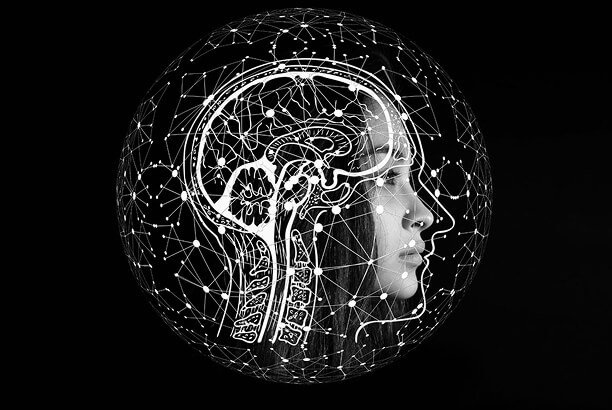
Neuroaesthetics: How the Brain Reacts to Beautiful (or Ugly) Design In today’s design-driven world, understanding how people perceive aesthetics is more important than ever. Neuroaesthetics, the fascinating field at the intersection of neuroscience and design, explores how the brain responds to visual stimuli—especially when it comes to beautiful or ugly design. But what exactly happens inside our brain when we encounter a striking piece of art or an unattractive layout? What is Neuroaesthetics? Neuroaesthetics studies the neural basis of aesthetic experiences. It seeks to uncover how our brain processes beauty and ugliness, analyzing patterns of brain activity when we engage with various forms of art, design, and visual environments. By using brain imaging techniques like fMRI and EEG, researchers can identify specific brain regions activated by pleasing or displeasing visuals. How the Brain Responds to Beautiful Design When we see beautiful design, multiple brain areas activate, including the reward system. The orbitofrontal cortex lights up, releasing dopamine—the “feel-good” neurotransmitter—which creates a sense of pleasure and satisfaction. This neurological reward explains why good design can influence mood, boost motivation, and even increase productivity. Well-designed interfaces or aesthetically pleasing visuals also enhance cognitive processing. They reduce mental effort, improve focus, and create positive emotional connections, which is why brands invest heavily in crafting beautiful user experiences. The Impact of Ugly or Poor Design On the flip side, ugly or cluttered design can trigger negative reactions. The brain’s amygdala, associated with emotional responses, may become more active, signaling discomfort or even stress. Poor design can confuse users, lead to frustration, and cause disengagement, negatively affecting perception and behavior. Understanding this neurological reaction is crucial for designers, marketers, and businesses aiming to create impactful, user-friendly products and environments. Why Neuroaesthetics Matters in Design Today Integrating neuroaesthetics into design practices helps professionals craft experiences that resonate on a deeper level. It’s not just about aesthetics but about how design influences emotions, cognition, and decision-making. From website layouts to product packaging, applying insights from neuroaesthetics ensures your design not only looks good but also functions optimally by aligning with the brain’s natural preferences. Key Takeaways: Neuroaesthetics bridges neuroscience and design to understand brain responses to beauty and ugliness. Beautiful design activates the brain’s reward centers, enhancing mood and engagement. Ugly or poorly designed visuals can trigger negative emotional responses and reduce user satisfaction. Applying neuroaesthetic principles leads to more effective, user-centered designs. Final Thoughts Neuroaesthetics opens a fascinating window into how our brains interpret beauty and design, influencing not just what we see but how we feel and behave. By understanding these neural responses, designers and businesses can create more impactful, user-friendly experiences that truly resonate. Whether you’re a designer, marketer, or simply curious about the power of aesthetics, embracing neuroaesthetics can elevate your approach to creating visual content that connects on a deeper level.

The Psychology of Color: Influencing Consumer Decisions Through Design

The Psychology of Color: Influencing Consumer Decisions Through Design Color is more than just a visual experience — it’s a psychological tool that can deeply influence consumer behavior. In today’s competitive U.S. market, understanding the psychology of color in marketing is essential for brands looking to create memorable experiences, drive engagement, and ultimately, boost conversions. Why Color Psychology Matters in Consumer Behavior In the world of branding and design, color isn’t chosen at random. Studies show that people make a subconscious judgment about a product within 90 seconds of initial viewing — and up to 90% of that judgment is based on color alone. This makes it a critical element in the consumer decision-making process. Color affects mood, perception, and brand recall. When used strategically, it can: Build trust and recognition (think: the blue of Facebook or the red of Coca-Cola) Trigger emotional responses Increase conversion rates on websites and product pages Influence purchasing decisions Emotional Impact of Popular Colors in Marketing Here’s how some of the most commonly used colors in U.S. marketing campaigns impact consumer psychology: 🔵 Blue – Trust & Dependability Widely used in the finance, tech, and healthcare industries, blue evokes feelings of security, stability, and professionalism. Brands like PayPal, LinkedIn, and American Express use blue to convey trust and reliability. 🔴 Red – Urgency & Excitement Red grabs attention and creates a sense of urgency. It’s often used in clearance sales and fast food marketing (e.g., Target, McDonald’s). Red can stimulate appetite, increase heart rate, and encourage quick decisions. 🟢 Green – Growth & Wellness Common in eco-friendly, organic, and health-related brands, green is linked to nature, balance, and growth. Whole Foods and Starbucks utilize green to align with health-conscious consumers and sustainability trends. 🟡 Yellow – Optimism & Attention Yellow is cheerful and attention-grabbing but must be used carefully. It can promote happiness and optimism, but overuse may cause visual fatigue. Brands like Best Buy and Subway use yellow to create a welcoming vibe. ⚫ Black – Luxury & Sophistication Black represents elegance, exclusivity, and power. High-end fashion and tech brands like Apple and Chanel use it to elevate brand perception and create a premium feel. 🟣 Purple – Creativity & Royalty Purple blends the stability of blue and the energy of red. It’s often used in creative industries, luxury products, and wellness brands (e.g., Hallmark, Yahoo) to denote imagination and sophistication. Using Color Psychology in Web & Graphic Design A well-designed website with thoughtful color choices can guide users through a sales funnel, improve user experience (UX), and increase engagement. Here are key tips for applying color psychology in design: Use contrasting colors for calls-to-action (CTAs) to make them stand out. Choose a color palette that aligns with your brand personality. Keep accessibility in mind — ensure adequate contrast for readability. Use color to establish visual hierarchy, directing attention to key areas. Cultural Considerations for the U.S. Market While color meanings can vary globally, in the U.S., the associations mentioned above are widely accepted and used in consumer-focused design. However, it’s always important to test color palettes with your target demographic to ensure resonance. Real-World Examples of Brands Using Color Psychology Effectively Coca-Cola – The signature red stimulates excitement and energy, perfect for a global soda brand. Tiffany & Co. – The distinctive robin’s egg blue evokes exclusivity, elegance, and timeless beauty. Spotify – The bright green is youthful and modern, reflecting its digital-first, energetic brand. Amazon – Uses orange for its CTA buttons (“Add to Cart”), which creates a sense of urgency and draws the eye. Final Thoughts: Color is More Than Aesthetic — It’s Strategic For brands, marketers, and designers in the U.S., understanding the psychology of color in branding and design is essential for influencing consumer behavior and standing out in a crowded marketplace. By using color strategically, you can enhance brand identity, improve user engagement, and ultimately drive more conversions.

Neuromarketing: Understanding Consumer Behavior Through Brain Science

Neuromarketing: Understanding Consumer Behavior Through Brain Science In today’s competitive landscape, understanding what makes consumers tick is more important than ever. Enter neuromarketing — a groundbreaking field that leverages brain science to uncover the subconscious drivers behind buying decisions. For U.S. marketers and business owners, neuromarketing offers a data-driven way to sharpen campaigns, enhance customer engagement, and ultimately drive more sales. What Is Neuromarketing? Neuromarketing is a fusion of neuroscience, psychology, and marketing. By studying how the brain responds to marketing stimuli—such as advertisements, product packaging, or even website layouts—marketers gain valuable insights into what truly influences consumers. Using tools like EEG (electroencephalography), fMRI (functional magnetic resonance imaging), and eye-tracking technology, researchers measure brain activity, attention span, emotional engagement, and decision-making patterns. Why Neuromarketing Matters in the U.S. Market The U.S. is one of the most saturated and competitive consumer markets in the world. Traditional marketing strategies often fall short because they rely on what consumers say, rather than what they feel. Neuromarketing digs deeper, tapping into subconscious preferences that drive over 90% of purchasing decisions. Key Benefits for U.S. Businesses: Improved Ad Performance: Create ads that trigger emotional and memory-related responses. Enhanced Product Design: Understand what visual elements make products more appealing. Optimized User Experience: Design websites that reduce cognitive load and increase conversions. Better ROI: Use data-backed insights to reduce guesswork and boost marketing efficiency. Real-World Examples of Neuromarketing Coca-Cola vs. Pepsi: A famous fMRI study showed that branding significantly influenced brain activity—people preferred Coke only when they knew it was Coke. Google: The tech giant uses eye-tracking studies to refine ad placement and website design. Frito-Lay: Changed their packaging to matte bags with less emphasis on “guilt-inducing” words after neuromarketing research revealed emotional triggers in female consumers. Neuromarketing Tools and Techniques Tool Purpose EEG Measures electrical activity to assess attention and engagement fMRI Maps brain activity in response to stimuli Eye-tracking Analyzes visual attention and focus Facial coding Detects microexpressions to gauge emotion Biometrics Measures heart rate and skin response for stress and excitement Is Neuromarketing Ethical? While the idea of “reading consumer minds” might sound intrusive, ethical neuromarketing is about enhancing user experience, not manipulating behavior. Transparent use of neuromarketing aligns with consumer protection laws and fosters trust. How to Get Started with Neuromarketing If you’re a marketer, entrepreneur, or business owner in the U.S., here’s how to begin integrating neuromarketing: Partner with a specialized agency for access to tools and expertise. Run A/B tests informed by emotional and cognitive data. Invest in UX research that includes eye-tracking or heat maps. Train your team in basic neuropsychology principles. The Future of Marketing is Neurological As AI, big data, and neuroscience continue to evolve, neuromarketing will play an increasingly vital role in shaping consumer experiences. For businesses in the U.S., adopting neuromarketing isn’t just an advantage—it’s quickly becoming a necessity. Final Thoughts: Market Smarter, Deeper, and More Human in 2025 The future of marketing is rooted in science—neuromarketing is reshaping how U.S. brands understand, engage, and influence consumers. By decoding the brain’s responses, businesses can create more meaningful, emotionally resonant experiences that drive real results. To stay ahead in 2025, it’s time to move beyond assumptions and start marketing with precision—powered by neuroscience. 🧠 Ready to unlock what your customers are really thinking?💬 What neuromarketing technique are you most curious to explore?📈 Want expert help applying brain science to your marketing strategy?

The Impact of 5G on Web Development: Opportunities and Challenges

The Impact of 5G on Web Development: Opportunities and Challenges In the ever-evolving landscape of web development, 5G technology is expected to be a game-changer. As the United States continues to expand its 5G infrastructure, web developers must understand both the opportunities and challenges this new technology presents. From faster load times to more immersive user experiences, 5G is reshaping the digital world as we know it. But it also comes with its own set of hurdles that developers need to navigate. In this post, we’ll explore how 5G is impacting web development in the U.S., focusing on key opportunities for growth as well as potential challenges that developers must overcome. 5G and the Future of Web Development in the U.S. The rollout of 5G networks across the United States is set to revolutionize everything from mobile browsing to Internet of Things (IoT) applications. With its faster speeds, lower latency, and increased connectivity, 5G offers web developers a wealth of new possibilities. But how does it specifically impact the development of websites and web applications? 1. Faster Load Times and Enhanced User Experience One of the most exciting prospects of 5G is its ability to significantly reduce page load times. With speeds up to 100 times faster than 4G, websites will load almost instantaneously, even with rich media content like high-definition videos or interactive graphics. SEO keywords: faster website loading times 5G and user experience website performance optimization SEO and 5G This improvement in speed will directly affect user experience (UX). Faster load times are critical for reducing bounce rates and enhancing user satisfaction, both of which are important factors for SEO rankings. Key Opportunity: Mobile-First Web Design With the growing use of mobile devices in the U.S., the ability to create responsive, mobile-first websites is more important than ever. 5G’s speed will allow mobile-first web developers to design more complex websites with rich media and interactive elements that will still load quickly, providing a seamless experience across all devices. 2. Improved Real-Time Features and Interactivity 5G opens up new possibilities for web developers to integrate real-time features into their websites. This includes applications like: Live video streaming (e.g., live events, video calls) Online gaming with low latency Real-time collaboration tools for businesses For example, the enhanced bandwidth and ultra-low latency of 5G allow for smooth, uninterrupted video calls, gaming, or collaboration on web platforms—revolutionizing how we work, play, and socialize online. SEO keywords: real-time web features 5G interactive content low-latency web development real-time collaboration apps Challenge: Optimizing for Different Connection Speeds While 5G is still being rolled out in parts of the U.S., not every user will have access to it. Developers must ensure that their websites and web apps work seamlessly across different connection speeds, from 4G to 5G to slower broadband connections. 3. Improved Internet of Things (IoT) Integration With 5G’s higher speeds and increased device connectivity, the Internet of Things (IoT) will become an even more integral part of web development. Web developers will be able to create platforms and websites that connect and control a wide range of IoT devices, from smart home devices to wearables and healthcare technology. The increased bandwidth of 5G enables real-time data transmission from IoT devices, which can improve everything from smart cities to e-commerce platforms. SEO keywords: IoT integration in web development 5G and smart devices future of IoT in the U.S. IoT web apps 4. Opportunities for Augmented and Virtual Reality Augmented Reality (AR) and Virtual Reality (VR) are technologies that benefit greatly from 5G’s increased bandwidth. For web developers, this opens up new opportunities to create immersive experiences directly in the browser, without the need for additional hardware. SEO keywords: AR/VR in web development immersive web experiences 5G and augmented reality virtual reality web apps In sectors like e-commerce, real estate, and education, users can experience virtual try-ons, take virtual tours, or attend interactive live events in real-time, all through their browsers. ⚠️ Challenges Developers Will Face with 5G While the benefits of 5G are clear, developers also face a few challenges that come with this new technology. 1. Security Risks in a Hyperconnected World With more devices and applications being connected, cybersecurity becomes a growing concern. 5G increases the number of entry points for potential attacks, which means developers will need to place a stronger emphasis on data encryption, authentication protocols, and secure coding practices. SEO keywords: 5G cybersecurity web security in 2025 secure web development practices IoT security risks 2. Increased Demand for More Bandwidth While 5G offers faster speeds, it also increases the demand for more bandwidth. Developers must be ready to optimize their code and assets to take full advantage of the faster network speeds while maintaining efficient data usage and reducing the risk of data congestion. SEO keywords: bandwidth management for websites optimizing website code 5G data usage optimization 3. Challenges of 5G Deployment in Rural Areas In the U.S., 5G deployment is still rolling out, particularly in rural or less-developed areas. Developers may face challenges in ensuring accessibility for all users and balancing the experience for people on both 5G and non-5G networks. SEO keywords: 5G availability in the U.S. web development for diverse connection speeds rural internet challenges Conclusion: Embracing 5G for Future-Proof Web Development As 5G technology continues to roll out in the U.S., its impact on web development will be significant. From lightning-fast load times and real-time features to the integration of AR, VR, and IoT, 5G presents enormous opportunities to create innovative, responsive, and highly interactive websites and applications. However, web developers must remain mindful of the security, bandwidth, and deployment challenges that accompany this transformation. By staying ahead of the curve and embracing 5G’s potential, developers can ensure that their websites are future-proof and ready to thrive in the digital age. Are you ready to leverage 5G for your next web project? Contact us today to see how we can help you develop a cutting-edge, 5G-optimized website or web application!

Contact Us

We’d love to hear from you. Reach out directly at hello@kavodigital.com. Our team will be in touch shortly.

© 2026 KAVO DIGITAL. All rights reserved.